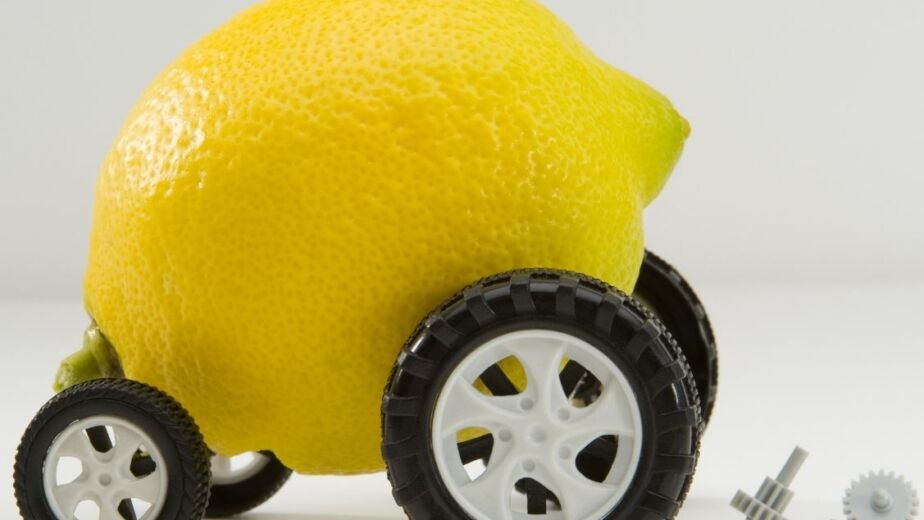

If your new car keeps going back to the shop for the same defect, California’s Lemon Law may entitle you to a buyback or replacement. Learn eligibility basics, what to document, and how to move quickly while protecting your rights. Contact us if you need help now.
What Is the California Lemon Law?
California’s Lemon Law is part of the Song-Beverly Consumer Warranty Act. It protects consumers when a warrantied vehicle has defects that a manufacturer or its authorized dealer cannot repair after a reasonable number of attempts. If the law applies, you may be entitled to a repurchase (buyback) or replacement, plus incidental damages in qualifying cases (see Cal. Civ. Code §§ 1793.2(d), 1794; see also the CA Attorney General’s Lemon Law overview).
Which Vehicles Are Covered?
Coverage generally includes new vehicles purchased or leased in California for personal, family, or household use. Some small-business vehicles may also qualify if statutory criteria are met (for example, smaller businesses and vehicles under specified weight limits). Dealer-owned demonstrators and vehicles sold with the manufacturer’s new-vehicle warranty can qualify. Coverage rules for motorcycles and off-highway vehicles differ. For details, review the statute and state guidance (Cal. Civ. Code § 1793.22; AG overview).
What Counts as a “Lemon”?
A vehicle may qualify when: (1) it has a defect covered by the manufacturer’s warranty, (2) the defect substantially impairs the vehicle’s use, value, or safety, and (3) the manufacturer or its authorized repair facility cannot fix the defect after a reasonable number of repair opportunities. Negligence is not required—what matters is that the defect persists despite proper warranty repair attempts. What is reasonable varies with the seriousness of the problem and the circumstances (Cal. Civ. Code § 1793.2).
Lemon Law Presumption (Tanner Act)
California provides a rebuttable presumption that helps consumers if, within the first 18 months or 18,000 miles (whichever occurs first), one of the following occurs: (a) two or more repair attempts for a defect that is likely to cause death or serious bodily injury if not repaired; (b) four or more repair attempts for the same non-safety defect; or (c) the vehicle is out of service for repair for a cumulative total of 30 or more days. Additional statutory conditions apply; the presumption is not the only way to prove a claim (Cal. Civ. Code § 1793.22).
Your Remedies: Buyback or Replacement
If the vehicle qualifies, the manufacturer must promptly offer either a replacement vehicle or a repurchase as outlined in the statute. A repurchase generally refunds what you paid, less a mileage-based usage deduction calculated by law (Cal. Civ. Code § 1793.2(d)). You may also recover reasonable incidental and consequential damages, and in some cases civil penalties for willful violations, plus reasonable attorney’s fees and costs (Cal. Civ. Code § 1794).
Practical Tips
- Describe symptoms, not diagnoses, when opening repair orders.
- Photograph or video recurring issues when safe to do so.
- Confirm warranty coverage dates and mileage in writing.
How to Move Fast and Protect Your Claim
- Report problems to the dealer promptly and consistently.
- Always request a detailed repair order when dropping off and picking up the vehicle.
- Keep every invoice, diagnostic report, and service bulletin.
- Track dates the vehicle is out of service, mileage in and out, and the symptoms you reported.
- Do not modify the vehicle or skip scheduled maintenance.
- Review any manufacturer dispute-resolution program and consider speaking with counsel before signing releases (DCA arbitration info).
Reasonable Repair Attempts and Safety Defects
Fewer attempts may be reasonable for serious safety-related defects than for cosmetic issues. Extended time out of service can also support a lemon claim. Because these assessments are fact-specific, thorough documentation and timely follow-up are essential (AG overview).
Manufacturer Arbitration and Court Options
Some manufacturers participate in California-certified arbitration programs that can be quicker and less formal than court. Understand what remedies are available and whether participation is optional in your situation. You generally retain the right to pursue a civil action if the dispute is not resolved, subject to applicable deadlines (DCA arbitration info).
Common Pitfalls to Avoid
- Not documenting repeat visits or days out of service.
- Accepting informal fixes without written repair orders.
- Waiting too long to act after warranty coverage ends.
- Signing broad releases in exchange for goodwill repairs.
- Failing to give the manufacturer or authorized dealer a fair opportunity to repair.
What to Do Right Now
- Schedule service with an authorized dealer and clearly describe the symptoms.
- Obtain and keep complete repair orders.
- Track dates, mileage, and days out of service.
- Consider notifying the manufacturer in writing of continuing defects.
- Consult a California lemon law attorney to evaluate eligibility and preserve your remedies. Ready to talk? Request a consultation.
FAQ
Do I have to use the dealer for repairs?
Yes, for lemon law purposes you should give the manufacturer or its authorized dealer the opportunity to repair under warranty.
Can a used car qualify?
Vehicles sold with the manufacturer’s new-vehicle warranty may qualify, including certain dealer demonstrators. Coverage depends on the warranty and facts.
What if the defect is intermittent?
Intermittent issues can qualify. Clearly describe symptoms each visit and ensure they are recorded on repair orders.
How long do I have to file?
Deadlines can be complex. Do not delay. Speak with a California attorney as soon as possible.
References
- California Civil Code, Song-Beverly Consumer Warranty Act (Lemon Law)
- California Attorney General – Lemon Law Overview
- California Department of Consumer Affairs – Arbitration Information
Disclaimer
This blog provides general information about California law and is not legal advice. Laws change and outcomes depend on specific facts. Reading this site does not create an attorney-client relationship. Consult a California-licensed attorney about your situation.