
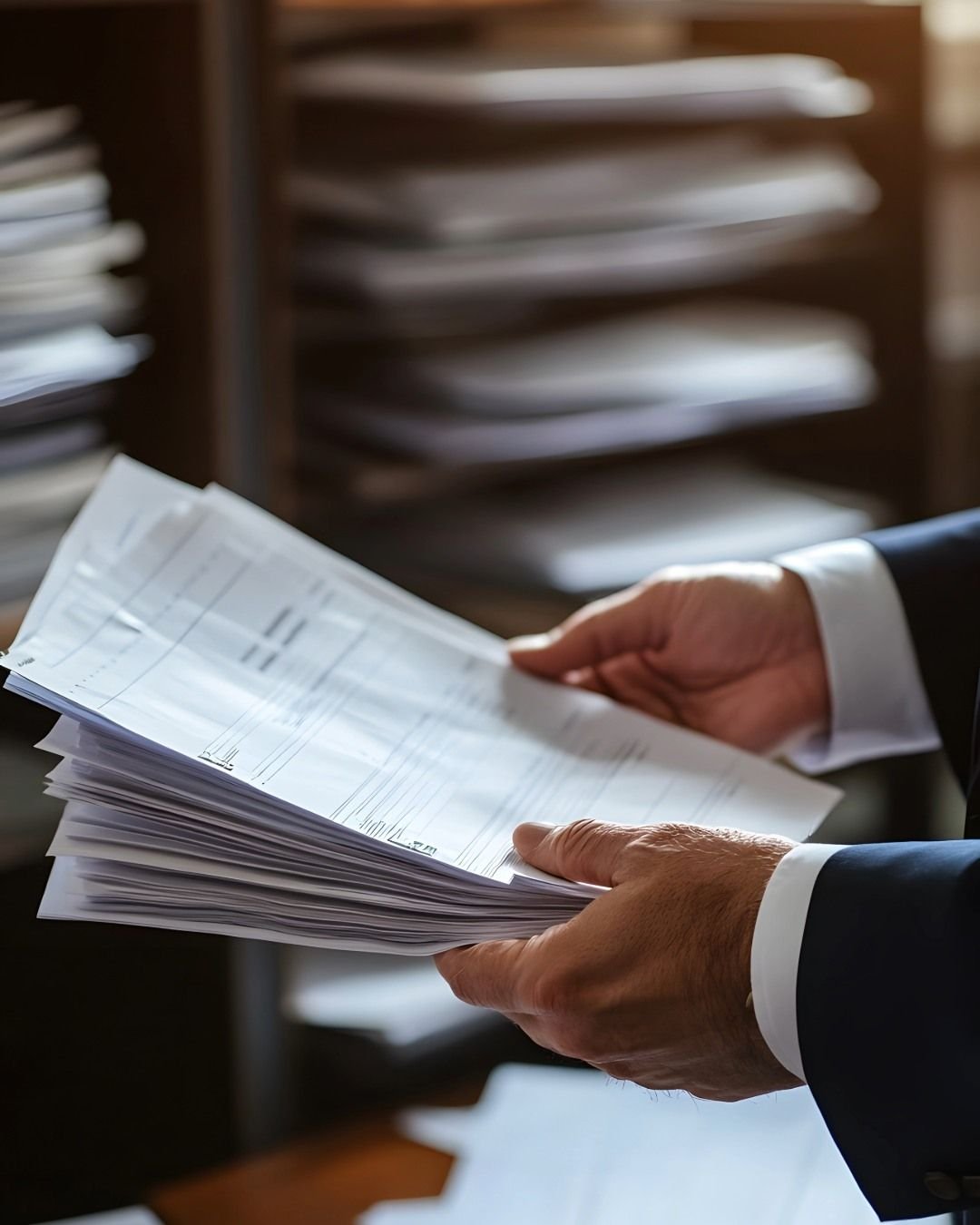
Learn how to gather, organize, and evaluate repair records to support a California Lemon Law claim, what documents matter most, and how an attorney reviews them for compliance with the Song-Beverly Act.
Jurisdiction: California | Last reviewed: 2025-08-25
Overview
California’s Lemon Law is part of the Song-Beverly Consumer Warranty Act. It can require a manufacturer to replace or repurchase a qualifying vehicle when, after a reasonable number of repair attempts by the manufacturer or its agents, the vehicle still does not conform to the express warranty. See Civ. Code § 1793.2(d)(2). A rebuttable presumption helps consumers if, within 18 months or 18,000 miles, certain thresholds are met (such as four or more repair attempts, two or more for a serious safety defect, or 30 or more cumulative days out of service by reason of repair). See Civ. Code § 1793.22(b). The Attorney General provides a plain-language overview at the California Office of the Attorney General. A strong claim often comes down to what is, and is not, documented.
Coverage generally applies to new motor vehicles and some used vehicles that are still covered by the manufacturer’s new vehicle warranty. See Civ. Code § 1793.22(e)(2) and the AG guidance linked above.
What counts as a “repair attempt”
Under California law, what matters is that the vehicle was presented for repair of the nonconformity to the manufacturer or its agents (authorized dealers). Even if the dealer notes “could not duplicate” or “no problem found,” the visit may still be relevant to show the vehicle was subject to repair for that issue. See Civ. Code § 1793.22(b)(1)(A)-(C).
- Visits for diagnosis, adjustment, or repair performed by an authorized dealer count toward the manufacturer’s opportunities to repair.
- Tows, service campaigns, software updates, and parts orders related to the concern can be relevant evidence of repair activity when ordered or performed by the manufacturer or its dealer.
- Work by non-authorized shops generally does not count as repair attempts by the manufacturer or its agents, though it can be useful background.
Key documents to collect
- Purchase or lease agreement and any addenda
- Warranty booklet and any extended service contracts from the manufacturer
- All repair orders (ROs), invoices, and final service receipts for the concern(s)
- Multi-point inspection sheets, technician notes, diagnostic codes, and job lines
- Recall notices, technical service bulletins (TSBs) provided to you, and campaign printouts
- Tow receipts, roadside assistance logs, rental or loaner agreements, and invoices
- Emails, texts, or portal messages with the dealer or manufacturer
- Photos, videos, or data logs showing the defect
- Odometer readings and dates at drop-off and pick-up for each visit
How to organize your repair file
- Create a timeline of events: date presented, mileage, concern reported, work performed, and days out of service.
- Group documents by defect (e.g., transmission shudder, infotainment reboot, battery drain).
- Keep original order copies and highlight concern descriptions and warranty codes.
- Note who you spoke with (advisor, technician, manufacturer case manager) and any case numbers.
- Save electronic versions as PDFs with consistent file names (YYYY-MM-DD – Dealer – Concern).
Practical tips
- Photograph every RO at drop-off and pick-up so nothing goes missing.
- Ask the advisor to read back your concern and confirm it appears verbatim on the RO.
- If a part is backordered, request a written note on the RO and a promised ETA.
What lawyers look for in repair records
- Consistency of the symptom description across visits, including customer statements and technician findings.
- Whether the defect substantially impairs use, value, or safety.
- Evidence that the dealer had meaningful opportunities to diagnose and repair (including parts availability and test drives).
- Days the vehicle was out of service for warranty repairs and whether alternative transportation was provided.
- Whether the repairs were performed by an authorized facility under the manufacturer’s warranty.
- Ties to known issues (recalls, TSBs) and whether the prescribed fixes were attempted.
- Gaps or contradictions (e.g., “no problem found” followed by part replacement on the same concern).
Common documentation pitfalls
- Vague concern descriptions like “noise” without location, conditions, or frequency.
- Missing final invoices—only having estimates or check-in sheets.
- Multiple concerns on one RO without job lines tying labor to the specific defect.
- Aftermarket modifications that complicate causation.
- Leaving with the car before diagnostic steps are completed, then lacking a recorded outcome.
Strengthening the record at your next visit
- Give a clear symptom description: when it occurs, speeds, temperatures, warning lights, and how to reproduce it.
- Request the advisor to include your exact words on the RO.
- Ask for the final invoice with all job lines, part numbers, and warranty codes.
- Request a road test with the advisor or technician if the issue is intermittent.
- If parts are on backorder, ask for an RO or written notation confirming the delay.
- Keep copies of tow and rental documentation tied to the same RO number.
Reasonable opportunities to repair and days out of service
California does not require a fixed number of visits in every case; it focuses on reasonableness and the evidence. The Lemon Law presumption, which applies during the first 18 months or 18,000 miles (whichever occurs first), is satisfied if:
- the same nonconformity has been subject to repair four or more times by the manufacturer or its agents; or
- a nonconformity likely to cause death or serious bodily injury has been subject to repair two or more times; or
- the vehicle has been out of service by reason of repair of nonconformities for a cumulative total of 30 or more days.
These thresholds create a rebuttable presumption; they are not the only way to prove a claim. See Civ. Code § 1793.22(b). Keep your documentation so it is easy to verify how many presentations for repair occurred and how long the vehicle was unavailable due to warranty repairs.
How an attorney can help
An attorney can audit your file, identify missing records, request dealership service histories, correlate concerns to technical bulletins, and evaluate whether statutory remedies are available. Where appropriate, counsel can prepare a demand to the manufacturer, analyze restitution or replacement under Civ. Code § 1793.2(d)(2) (including any mileage offset), and assess potential civil penalties if the manufacturer’s noncompliance was willful. See Civ. Code § 1794(c).
What to do if you are missing records
- Ask the dealer’s service department for complete copies of all ROs and final invoices.
- Request a printout of your vehicle’s warranty repair history by VIN.
- Contact the manufacturer’s customer care for case logs and prior communications.
- Check your email, text messages, and portal accounts for appointment confirmations and status updates.
- Keep a personal log to fill gaps: dates, mileage, who you spoke with, and what was said.
Quick checklist before your next visit
- Written symptom list in plain language
- Phone ready to record photos/video of the issue
- Request to ride along with technician
- Confirm loaner/rental coverage if car will be kept
- Obtain final invoice before leaving
FAQ
Do I need four repair attempts to have a case?
No. Four attempts (or two for a serious safety defect) and the 30-day rule create a presumption within 18 months/18,000 miles, but you can still prove a claim with other evidence of unreasonable repair attempts or excessive downtime.
Do software updates count as repair attempts?
Yes, if performed by the manufacturer or its authorized dealer to address your concern, they can count toward the opportunities to repair.
Can used cars qualify under California’s Lemon Law?
Some used vehicles do, if still covered by the manufacturer’s new vehicle warranty when the problems arose and repairs were sought.
What if the dealer writes “could not duplicate”?
Keep the record; the visit can still support your repair-attempt count. Ask for a road test and ensure your exact concern is recorded.
Will hiring a lawyer cost me out of pocket?
In many successful cases, the manufacturer may be required to pay reasonable attorney’s fees and costs under California Civil Code § 1794.
Next steps
If you believe your vehicle may qualify under California’s Lemon Law, contact a qualified attorney for a free review of your repair documentation. Bringing a clean, chronological packet of records can speed evaluation and help determine your best path forward. Request a consultation.
Sources
- California Office of the Attorney General: Lemon Law (accessed 2025-08-25)
- California Civil Code § 1793.2 (accessed 2025-08-25)
- California Civil Code § 1793.22 (accessed 2025-08-25)
- California Civil Code § 1794 (accessed 2025-08-25)
Disclaimer: This blog is for general information only and is not legal advice. Reading it does not create an attorney-client relationship. Laws and outcomes can vary; consult a licensed California attorney about your specific situation.